About
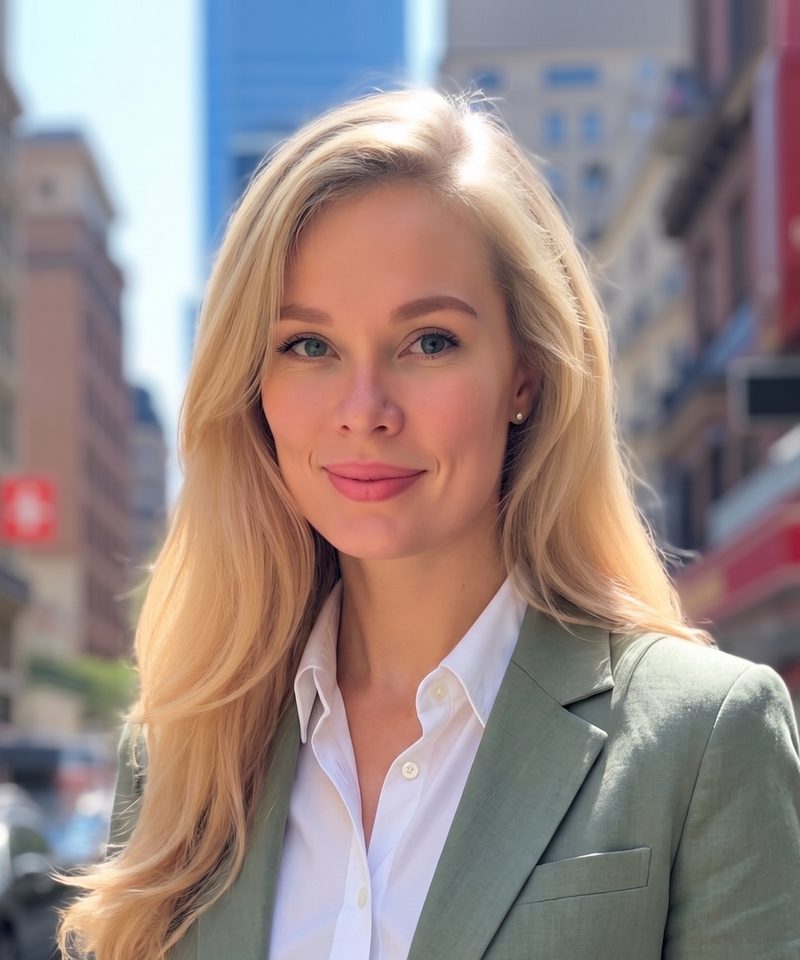
From researching change, to standing in the middle of it
I have both worked with and researched what restructuring does to people — and stood in the middle of one myself, as a technology founder running my own business. It is the combination of these that I bring into my work with companies and organizations.
The road here
The short version
Psychologist
It started with individual people in front of me, working with both personal and work-related struggles and the prevention of sickness absence. That is where the interest in what working life can do to us — at work and at home alike — began.
Researching organizational change and the working environment
Followed more than 12,000 employees across 66 Norwegian organizations through a range of major restructuring processes. The findings were clear across every type of change: unpredictability is linked to measurably poorer health — and the effect was still measurable up to three years afterwards.
Associate Professor and head of department — meta-analyses and systematic reviews
Led the evidence-synthesis work — including three systematic reviews on remote work and health, published while the whole working world was moving home after COVID-19.
Founder and COO
From studying the dynamics of change to standing in them myself, at high speed out in the wider world and under great uncertainty. Founded the company, built it, and set the strategy for its development, alongside investor relations — part of raising more than NOK 100 million from several of Norway’s largest private and institutional investors.
Board education
Executive Board Programme — the board side of company development, with particular weight on strategy, competence development and financial reporting.
Helping to build new AI companies
Co-founder of Nordio ↗, which builds AI colleagues for small and medium-sized businesses. Drawing on my own experience of running a business, we now help companies put to use the possibilities agentic AI offers for simplifying both the working day and the running of a company.
Throughout my research career, and during my doctorate in particular, one question has been at the centre: what does restructuring do to the people living through it, and how do we make change processes work? During the PhD we followed 12,000 employees across 66 Norwegian organizations over three years. The effects of organizational change on the psychosocial work environment and on health were larger than expected, and still measurable up to three years later. Particularly when the process was unpredictable.
It costs more than the calculation shows. Sick leave, turnover, and changes that have to be made over again because they never took hold. I still think this is treated as a soft cost when change is planned, and as a hard one when the result has to be explained.
After the doctorate I went from researching change to standing in it: founder and COO of the AI company seeyouAI. The same dynamic, but from the inside, at far higher speed, and with no one having done it before us. The work centred on optimising LLM models for different user needs, and the learning curve was steep.
Today I build new AI companies, with an emphasis on agentic AI, but still with the same overarching question as on day one: how do we make sure change leads to something better and not something worse? AI is the biggest upheaval working life has seen in a long time, and the question has only grown because of it.
Here I share the occasional piece of research worth translating, experiences from founding and leading, and what it takes for people to actually make use of the enormous opportunities AI and technology represent — for people and companies alike.
The research
Would you like to know more about the research?
The main findings, the media coverage and the thesis are gathered on one page.